

Artemis Fine Arts’ Dec. 3 online-only auction showcases nearly 400 lots of ancient, Pre-Columbian and ethnographic art
News originally published by
EIN Presswire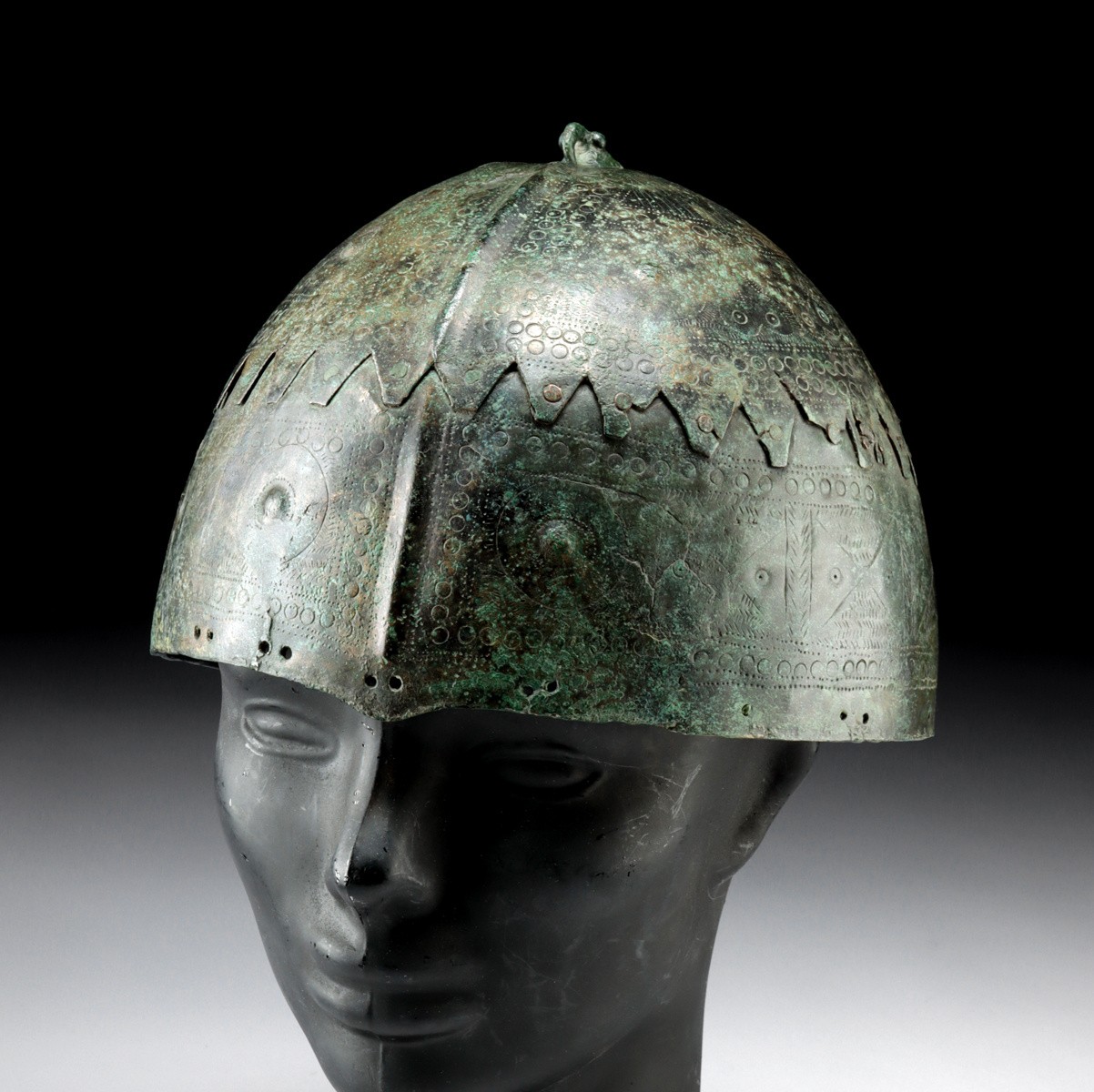
Ancient Colchis-Koban Bronze Helmet, Caucasus, 6th Century BCE Estimate: $40,000-$60,000
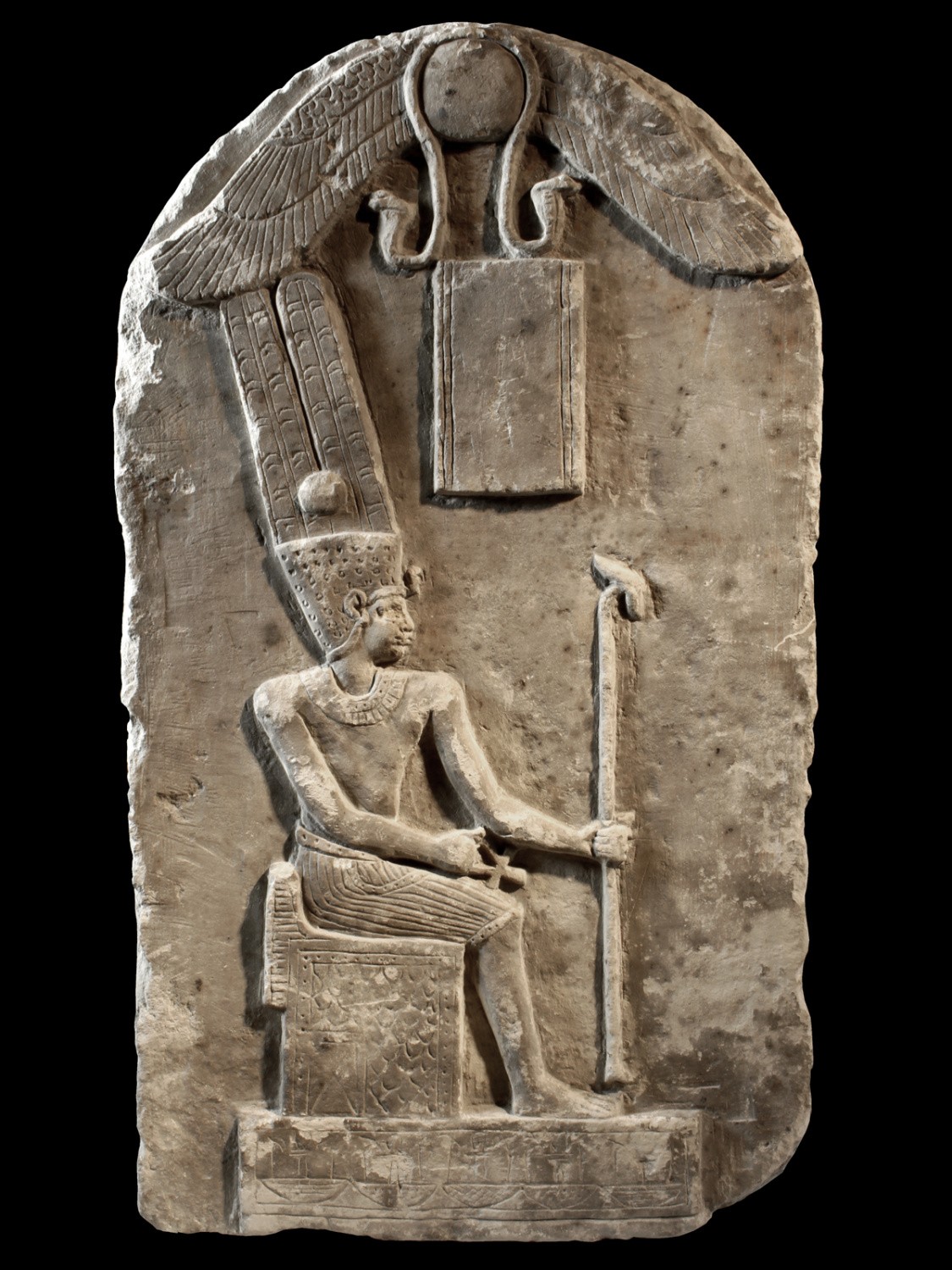
Egyptian Ptolemaic Limestone Stela, Amun-Re Enthroned Beneath Winged Sun Disk Estimate: $32,500-$47,500
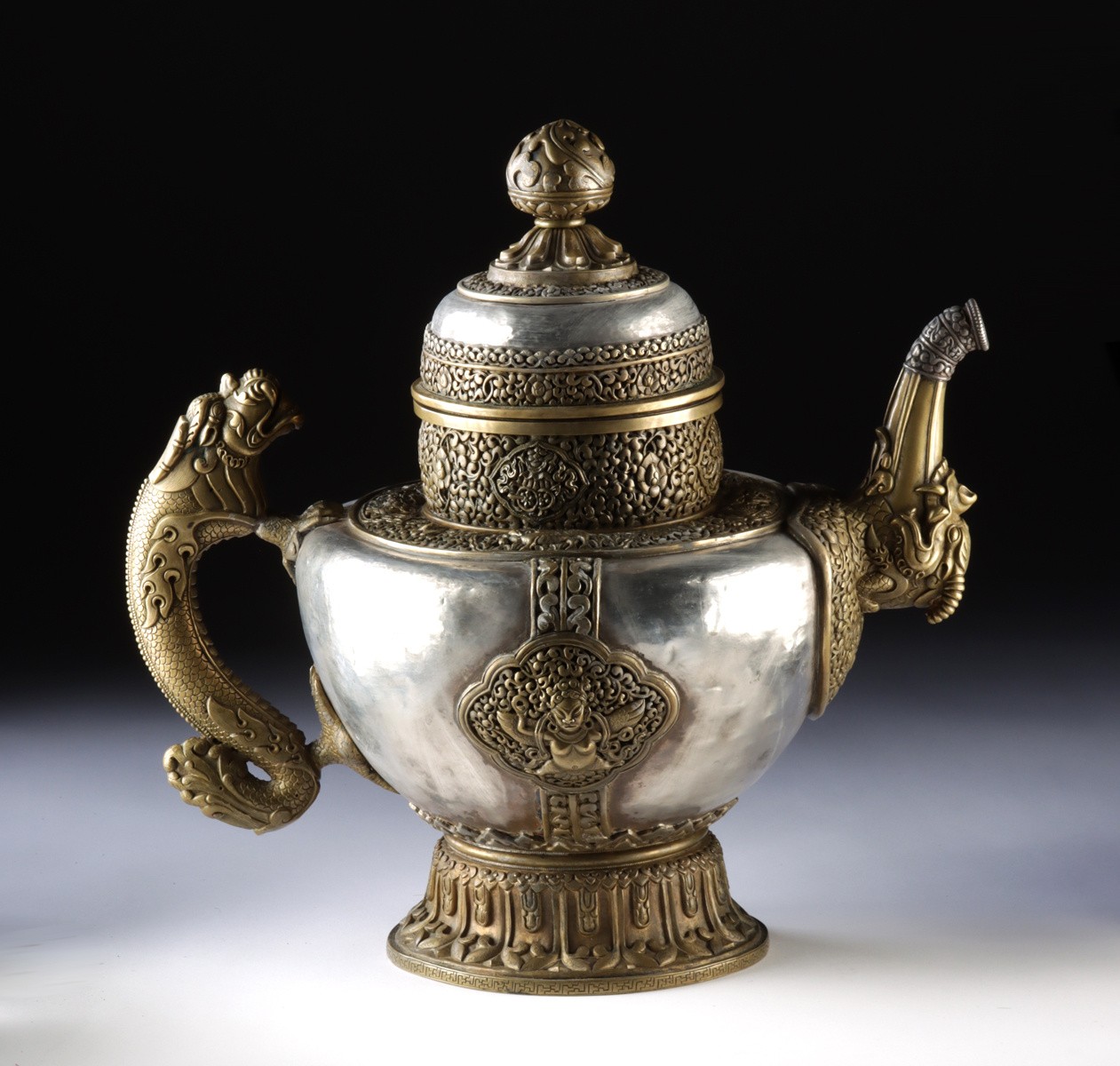
Antique Tibetan Silver and Brass Butter Teapot, Dragon Handle, Makara Spout Estimate: $15,000-$22,500
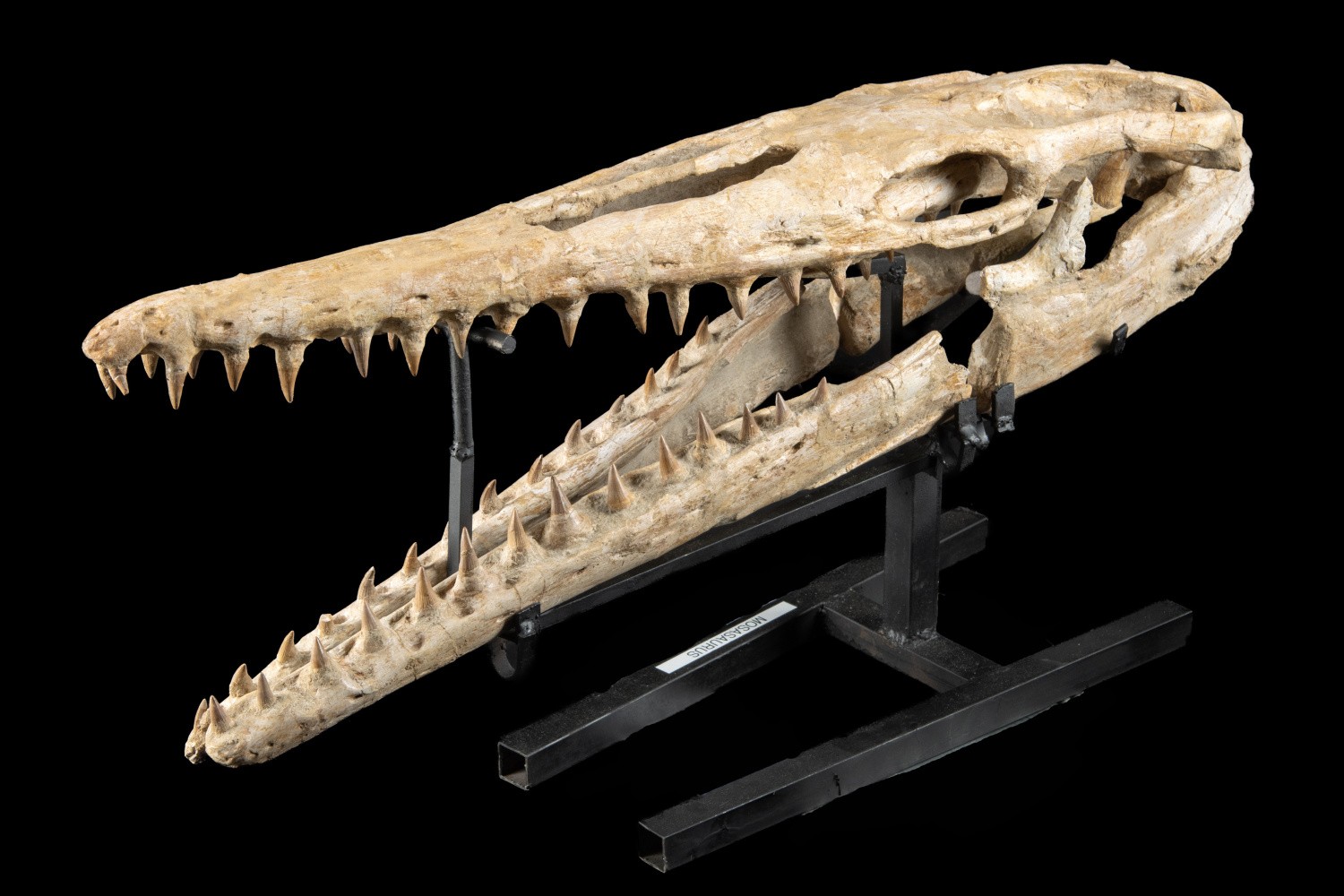
Mosasaur Skull 30in, Young Mosasaurus with Pterygoid Teeth, Late Cretaceous Estimate: $15,000-$22,500
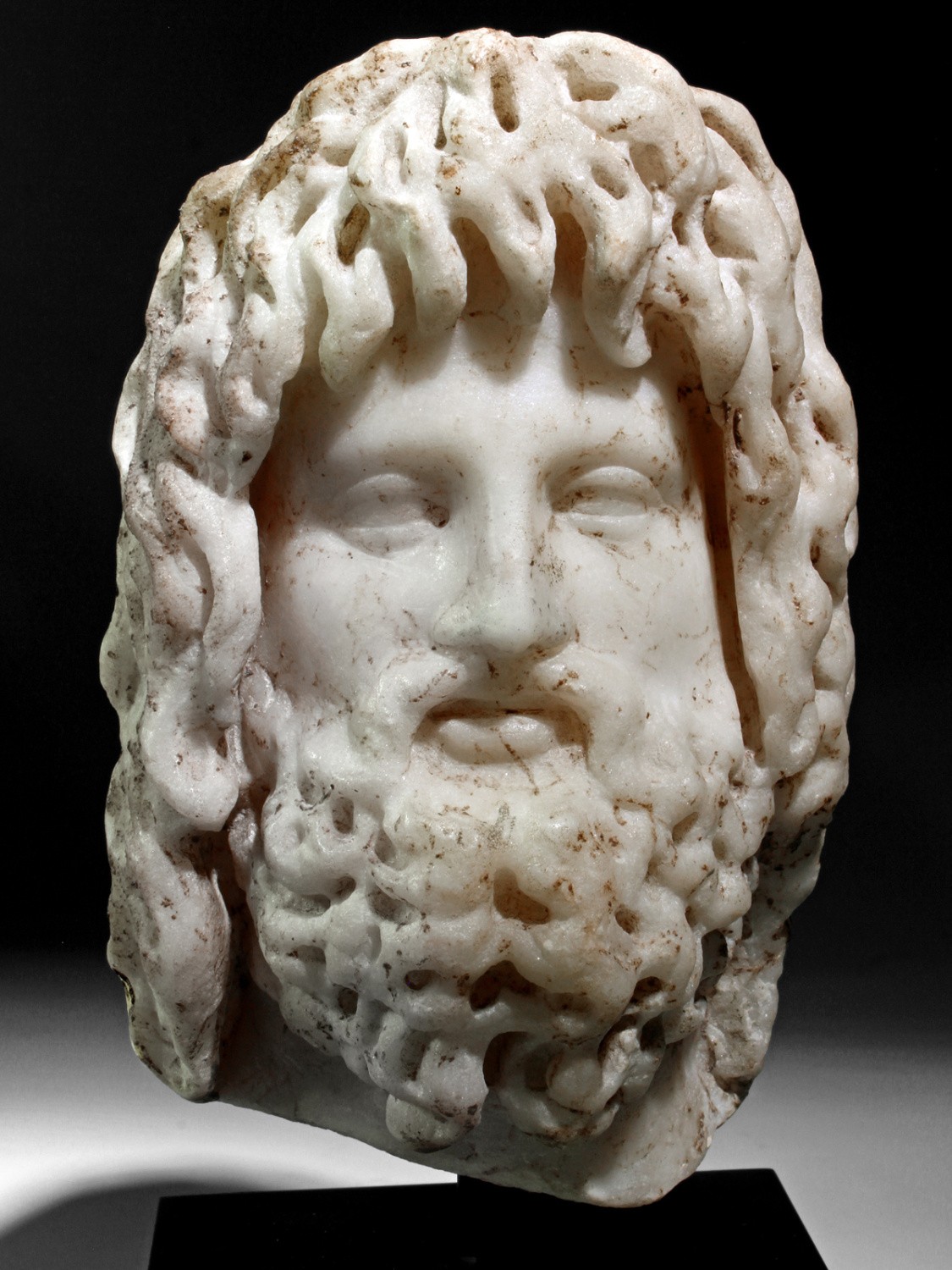
Published Roman Marble Head of Serapis, ex-Christie’s and Charles Ede Estimate: $37,500-$55,000
The sale features Pre-Columbian, Native American, Egyptian, Etruscan, South Italian, Roman, Byzantine & Eurasian art, steppe antiquities, Asian art and fossils.
Pre-Columbian art takes center stage, led by an exceptional group of West Mexican shaft-tomb sculpture. A large hollow polychrome kneeling female figure holding a bowl (Mexico, Jalisco, Ameca-Etzatlan style, circa 100 BCE-250 CE) stands 22 inches tall. Formerly in the T. Misenhimer collection of Beverly Hills, this impressive piece should bring $10,000-$15,000. Equally noteworthy is a massive Jalisco figure of a seated pregnant woman, 20½ inches tall, adorned with a shell-ornamented headband, triple-looped earrings and bold red and cream painted body bands (circa 300 BCE-300 CE). Effigies of this size are thought to have guarded the entrances to shaft tombs. It carries an estimate of $6,000-$9,000.
Among the most charming entries is a burnished redware Colima effigy vessel of a plump xoloitzcuintli dog contentedly gnawing an ear of maize, its raised tail forming the spout (Mexico, Colima, circa 300 BCE-300 CE). It was once part of the George and Ruth Kennedy collection, assembled in the 1960s, and is estimated at $7,000-$10,000. From the Maya world comes a stucco-coated effigy censer head of the Chen Mul Modeled tradition (Mexico, Yucatán Peninsula, Late Postclassic, circa 1300-1500 CE), with a tiered headdress, broad earflares and traces of blue-green paint. Its blackened mouth and chin mark it as Tlazolteotl, goddess of purification, midwifery and weaving. Estimate: $8,000-$12,000
Pre-Columbian gold is represented by a stunning Tairona necklace of 25 graduated frogs of true gold (10 to 14 karat, not tumbaga), strung with petite black and green stone beads (Colombia, circa 800-1200 CE). Frogs were symbols of rain and fertility throughout the ancient Americas, and this 18½-inch necklace remains entirely wearable today. It is expected to reach $10,000-$15,000.
Native American lots are headed by a large Ancestral Puebloan (Anasazi) olla in the McElmo black-on-white style of the Mesa Verde region (circa 1075-1275 CE). The 14-inch storage jar is painted with interlocking stepped frets, stepped-hook triangles and herringbone hatching. Remarkably, it was repaired in antiquity with drilled holes and leather binding, clear evidence of how highly its makers valued it. Estimate: $7,000-$10,000. Also on offer is a handsome Southwestern squash blossom necklace, possibly Navajo (Diné), with turquoise and silver, centered on a naja pendant set with seven graduated stones (circa 1960-1975). Estimate: $1,400-$2,000.
Latin American folk and devotional art includes a dramatic carved and painted wood muerte dance mask from Guerrero, Mexico. It is built as a full kneeling skeleton framing the face of a bearded man and stands 21 inches tall (circa 1940-1980). Estimate: $800-$1,200. A chromolithograph of the Virgin of Copacabana, patroness of Bolivia, is housed in a punched and painted tin frame (Andean, circa 1890-1930). Estimate: $800-$1,200
On to the ancient world, where Egypt is represented by a superb round-topped limestone stela carved in raised relief with Amun-Re, king of the gods, enthroned beneath a winged sun disk (Ptolemaic to Roman Period, circa 200 BCE-90 CE). Acquired in 1982 by a Paris collector from Jean and Huguette Ramié of Cannes, the 15¾-inch stela comes with the original Ramié certificate and should command $32,500-$47,500. A substantial limestone tomb relief from the Memphite necropolis, made of two conjoining slabs 30 inches long, preserves an eight-figure offering procession of the kind that adorned elite mastaba tombs (Old Kingdom, late 5th-6th Dynasty, circa 2400-2200 BCE). Estimate: $16,000-$32,000. A carved and gessoed wood coffin mask with a serene yellow ochre face (Late Period to Ptolemaic, circa 664-30 BCE) is estimated at $2,000-$3,000.
Classical highlights include an Etruscan kylix decorated in the rare superposed-red technique, showing a nude athlete in the tondo and mantled youths on the exterior (circa 350 BCE). Previously auctioned at Christie’s London in 2012, and before that in a Swiss collection since 1976, it has a pre-sale estimate of $13,000-$19,000. A large Apulian red-figure skyphos shows a maenad on one side and two laurel-crowned youths on the other (South Italy, Magna Graecia, circa 350-300 BCE). Estimate: $3,500-$5,000. An Etruscan Orientalizing-period bucchero chalice rises on supports in the form of winged female caryatids, a motif that reached Etruria through Phoenician and Syrian imports. Estimate: $2,000-$3,000
Roman offerings are led by a published marble head of Serapis, the Graeco-Egyptian god of fertility and healing, with a full, deeply drilled beard and thick wavy hair (circa 100-200 CE). Its impressive provenance runs from a German collection formed before the 1930s through Charles Ede Ltd. (2003), Christie’s London (2005) and Kallos Gallery, London (2019). This exceptional work should realize $37,500-$55,000. A pair of bronze fittings shows a youthful Hercules wearing the Nemean lion’s scalp. Formerly with Royal Athena Galleries, New York, the pair has been published twice by the gallery and is estimated at $10,000-$18,000. A rare free-blown glass beaker painted in fused enamels depicts a youth harvesting dates from a palm tree. Enamel-painted figural glass of this kind was a true luxury ware in the Roman world, and this example is expected to bring $7,000-$10,000. A high-karat Roman gold ring set with a red jasper intaglio of Fortuna and Minerva flanking an offering at an altar is estimated at $2,250-$3,500.
Beyond the classical world, a hammered bronze helmet of the Colchis-Koban culture of the Caucasus (circa 600-501 BCE) is decorated with ring-and-dot punchwork and a riveted zigzag frieze of triangular plates. Formerly in a private collection in Mainz, Germany, since the 1980s, it is one of the top lots of the sale, with an estimate of $40,000-$60,000. An early Sarmatian electrum plaque depicts a stag whose antlers end in the heads of birds of prey, a hallmark of steppe Animal Style art (Southern Urals, circa 450-300 BCE). It passed through Sheppard and Cooper in 1985 and Bernard C. Pickard in 2000. Estimate: $3,500-$4,500. A Byzantine bronze casket plaque worked in repoussé with scenes from the Book of Daniel, including the three youths in the fiery furnace (circa 300-550 CE), is published in Charles Ede’s 2015 Christmas catalogue. Estimate: $8,000-$12,000.
Asian art, always a favorite with collectors, features several standouts:
• A ceremonial butter teapot of hammered silver with pierced repoussé brass mounts, a dragon handle, a makara spout and Garuda medallions, 15 inches tall (Tibet, circa 1850-1900 CE). Estimate: $15,000-$22,500
• A carved wood figure of the Buddha Shakyamuni seated in meditation (China, Ming Dynasty, 16th century CE). Estimate: $9,500-$14,250
• A carved cinnabar lacquer lidded box with sinuous dragons chasing a flaming pearl (China, Qing Dynasty, Qianlong period, 1736-1795 CE). Estimate: $3,500-$5,000
• An 18-inch bronze hu wine jar with mask-and-ring handles (China, Han Dynasty, 206 BCE-220 CE), formerly with Barakat Gallery, Beverly Hills. Estimate: $2,500-$3,500
Last, but certainly not least, are fossils. They are led by a 30¾-inch skull with lower jaws of a juvenile Mosasaurus, the great marine predator of the Late Cretaceous seas (Khouribga Province, Morocco). Estimate: $15,000-$22,500. A skull of the oreodont Merycoidodon culbertsoni, the sheep-sized grazer that roamed the ancient High Plains in vast herds (Oligocene, White River Group, Nebraska), should bring $16,000-$22,500.
Artemis Fine Arts is known internationally as a premier authority in the field of ancient and ethnographic art. Artemis stands behind every sale with an authenticity satisfaction guarantee, and its in-house testing lab provides thermoluminescence and XRF analysis, giving bidders added confidence in every purchase.
The December 3, 2026 auction will start at 9am MT/11am ET. Absentee bidding is currently in progress. Internet bidding works seamlessly across all platforms: Artemis Fine Arts’ dedicated online platform, LiveAuctioneers, Invaluable, and Drouot, the internationally renowned Paris-based company known for its association with distinguished European auction houses. Clients are encouraged to use Artemis Fine Arts’ own platform, where buyer’s premiums are more advantageous. Dedicated specialists will be available by phone before, during and after the auction.
Following the main event, bidders may take part in a three-day post-auction sale of unsold lots, an additional opportunity to secure coveted pieces.
Artemis Fine Arts ships worldwide through its own in-house shipping department to ensure quality control. View all lots, with detailed, authoritative descriptions and multiple photos, in the online catalog.
All auction items have been expertly curated by Bob Dodge, owner of Artemis Fine Arts. For additional information on any auction item, call Teresa Dodge at Artemis Fine Arts at 720-890-7700 or email her at teresa@artemisfinearts.com. Bid absentee or live online at:
https://auctions.artemisgallery.com/auction-catalog/important-antiquities-asian-ethnographic-art_LPGE6SNC0L
Teresa Dodge
Artemis Fine Arts
+1 720-890-7700
Legal Disclaimer:
EIN Presswire provides this news content "as is" without warranty of any kind. We do not accept any responsibility or liability for the accuracy, content, images, videos, licenses, completeness, legality, or reliability of the information contained in this article. If you have any complaints or copyright issues related to this article, kindly contact the author above.
